❋
Iron, nickel, and nitrate from aerosol deposition and their influence on growth and toxin production of harmful algal bloom species (IRON-HABs)


Project Staff: Chard & Tomi
Funding Agency: DOST-PCAARRD
Project Duration: October 1, 2024 - September 30, 2026
Building on the success of the previous harmful algal bloom (HAB) project of the IBR Lab, IronHABs advances ongoing efforts to elucidate the relationships between trace metals and HAB-forming phytoplankton species. While metals delivered through atmospheric aerosols are known to stimulate the growth of harmful algal blooms, the specific roles of individual metals and their interactions with key macronutrients remain insufficiently understood. This project aims to address these gaps through targeted experimental approaches, providing deeper insight into the mechanisms that regulate HAB dynamics. The outcomes are expected to contribute to improved predictive capacity and management strategies for bloom events. This research is funded by the Department of Science and Technology – Philippine Council for Agriculture, Aquatic and Natural Resources Research and Development (DOST-PCAARRD).
Overview
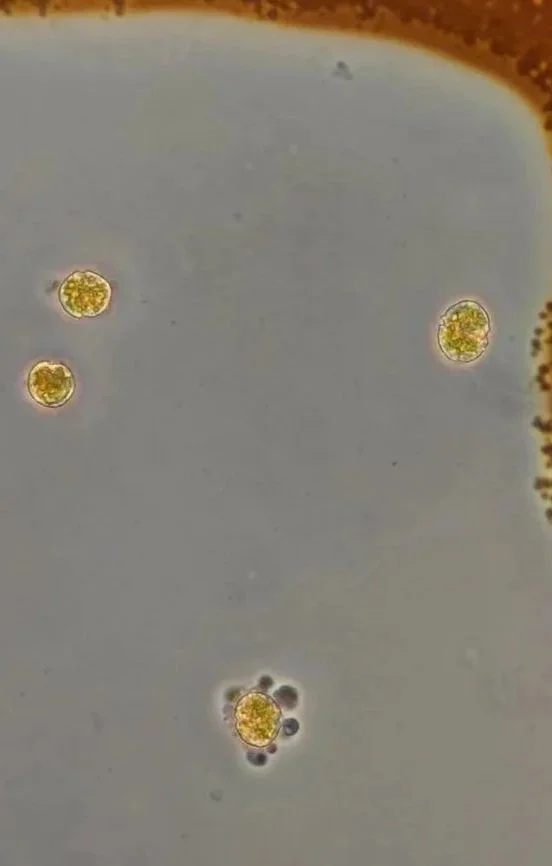
The proposed project is aimed towards improving our knowledge on the contribution of aerosol deposition to the occurrence of harmful algal blooms with emphasis on model HAB species Alexandrium minutum and Pyrodinium bahamense.
Objectives
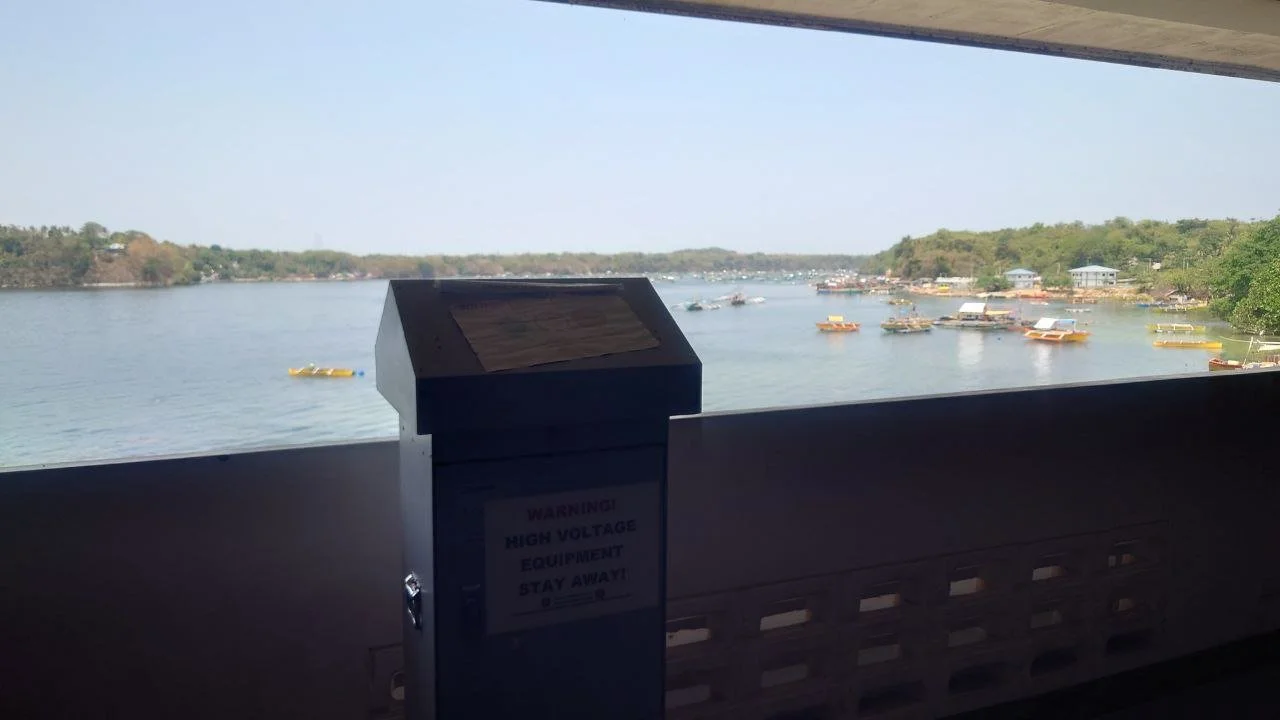
Determine the levels of iron, nickel, and nitrate in field-collected filters for aerosol deposition in Bolinao, Pangasinan
Evaluate the effect of iron, nickel, and nitrate from aerosol deposition on the growth and toxin production of A. minutum & P. bahamense
Elucidate the contribution of aerosol deposition on the availability of iron, nickel, and nitrate for phytoplankton growth specifically A. minutum and P. bahamense
On-going Experiments
-
“Continued monitoring of trace metals and macronutrients in Bolinao helps provide insights into an understudied source of nutrients into our seas. Temporal measurements may help predict future trends of composition under increasing anthropogenic development”
-
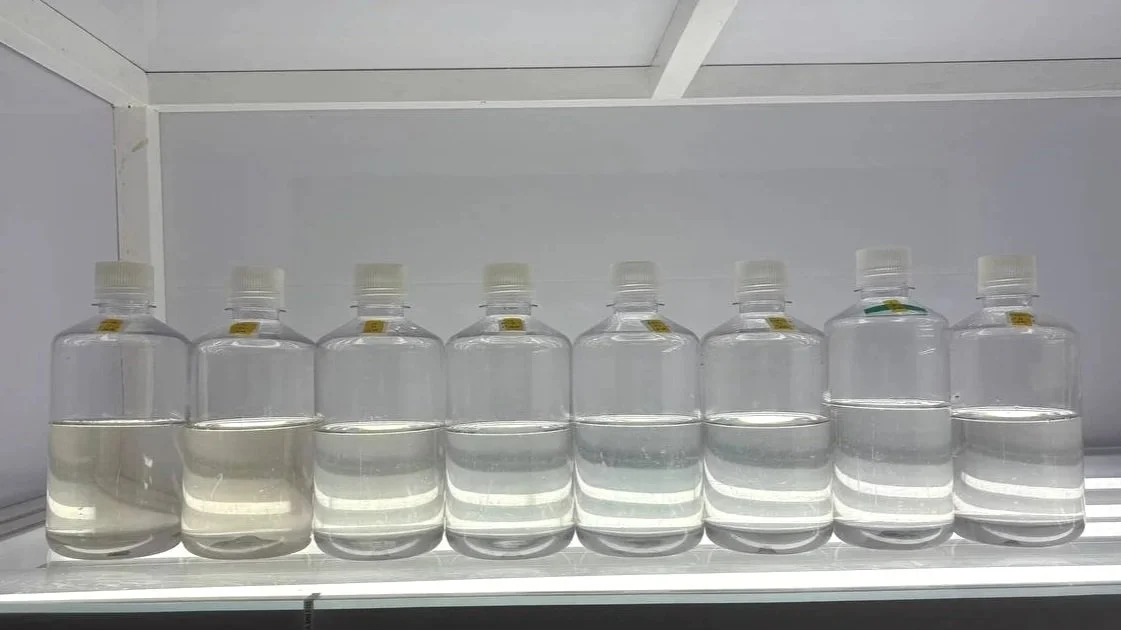
The role of Selenium on the growth and physiology of phytoplankton has recently been spotlighted. This experiment helps us determine the importance of Se to HAB persistence and development.
BS Thesis: “Trace Metal Analysis of Atmospheric Aerosols from Bolinao, Pangasinan”
Angela Neylan Sunga
BS Chemistry, UP Diliman